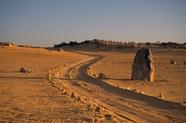
The international news unfolding here has more twists than a Hollywood script—after reading this, you’ll be on the edge of your seat. As soon as Trump touched down back at the White House, the African desert erupted with breaking news: over a hundred armed militants were wiped out overnight as U.S. forces executed a precision strike against the hideout of a major terrorist leader. And yet, the usual chorus of commentary from the UK, France, Germany, and Russia went completely silent. The intrigue here is even richer than any power struggle drama.
The events took place last weekend in the scorching northeastern deserts of Nigeria, where the heat could practically melt shoe soles. U.S. troops, working alongside Nigerian forces, carried out a joint air-and-ground operation so ruthless it sent shivers down the spine. This was not random bombing—it was a targeted decapitation strike. The primary target was the stronghold of Abu-Bilal Minuki, the number two leader of ISIS globally, located near the Lake Chad Basin. Minuki was no ordinary foot soldier; he controlled finances and recruitment for ISIS across Africa, effectively acting as both CFO and HR director for the organization. All global supply lines for the network ran through him.
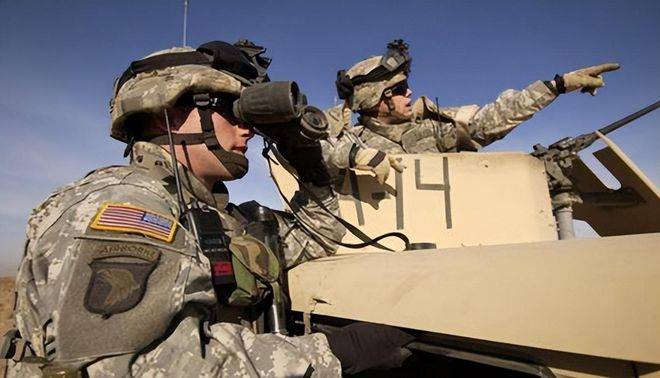
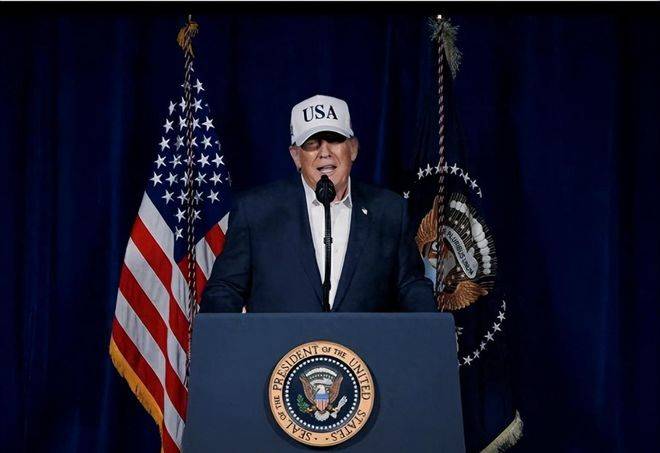
After neutralizing this major target, the U.S. had no intention of stopping. With remaining militants scattering in panic, a secondary operation swiftly locked them down. A comprehensive airstrike followed, hitting checkpoints, weapon depots, and even financial networks linked to the terrorist organization. The Nigerian Ministry of Defense later confirmed that the coordinated operation killed 175 militants, including five high-ranking commanders. Trump proudly declared a sweeping victory, and the Nigerian president publicly acknowledged the success. Observers could see that the precise strike tactics, honed in the Middle East, had been transplanted intact to Africa. But this wasn’t merely about counterterrorism—America had strategic motives.
Data shows that in the first quarter of 2026, 86% of global ISIS activity occurred in Africa, making the continent a new stronghold for extremist organizations. The U.S. concern wasn’t just about numbers—it was about waning influence in Africa. Over recent years, U.S. forces had been withdrawing, losing regional leverage. This strike marked the first demonstration of the newly established U.S.-Nigeria counterterrorism intelligence-sharing partnership, sending a clear message to other African nations: We can still project power, and cooperating with us brings benefits.
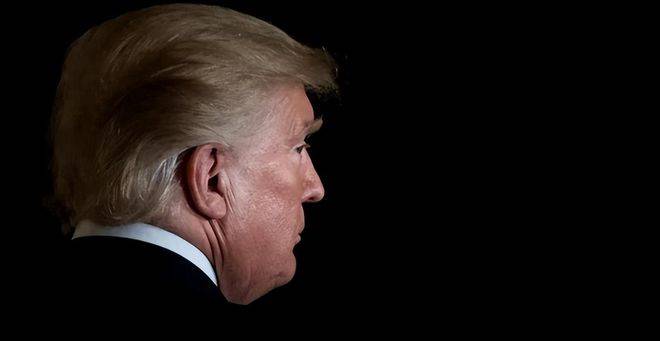
The deeper signal was aimed at the Middle East. U.S. sources hinted at the possible resumption of military action against Iran, with Trump taking a hardline stance: either sign a new deal or face direct strikes. Direct operations in the Middle East carry high risks, but a clean, low-cost decapitation strike in Africa sends a message to Iran: the U.S. has both the capability and the precision to act anywhere. At the same time, with Russia’s growing influence in Africa, this move lets America place another strategic pawn on the African chessboard. Counterterrorism, in this context, becomes a convenient umbrella under which multiple strategic goals are pursued.

The most striking anomaly was the silence from the usual human rights watchdogs—Britain, France, and Germany said nothing. Not only Europe, but Russia also remained mute, seemingly ignoring the operation entirely. Russia’s silence is understandable; already in strategic competition with the U.S. in Africa, there’s no incentive to endorse Trump’s achievement and draw attention.

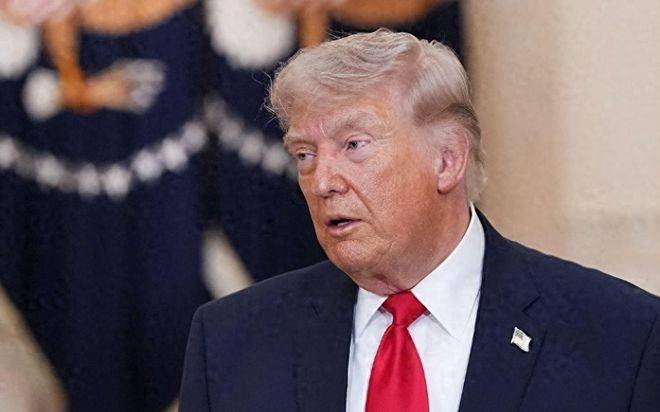
Europe’s quiet response is even more telling. Taking out ISIS’s number two is a concrete counterterrorism success, yet European nations refrained from comment. The reason is clear: applauding U.S. action now could obligate them later—more defense spending, joint operations, or other contributions—all costs ultimately falling on Europe. Facing intense domestic political pressure, silence is the safest choice. The timing was especially awkward: as U.S. bombs fell in Africa, Trump was back in the White House boasting about a $1.4 billion renovation of the presidential banquet hall, complete with his supposed architectural prowess.
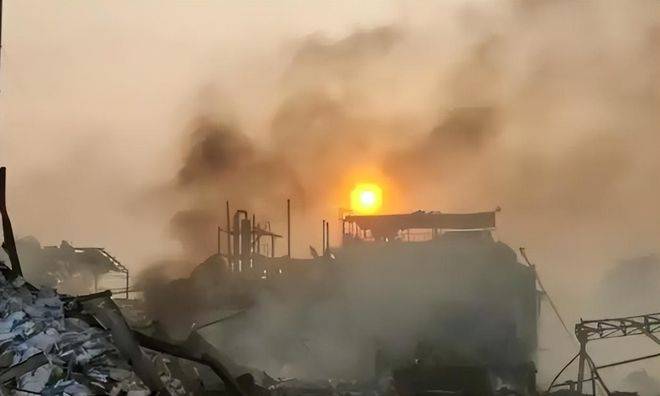
On one side, there was the smoke and death in the African desert; on the other, golden chandeliers gleaming in the White House. Which European politician would willingly hand themselves political ammunition under these circumstances? The calculus is cold and calculated: staying silent avoids being dragged into America’s strategic quagmire in the Middle East and Africa.
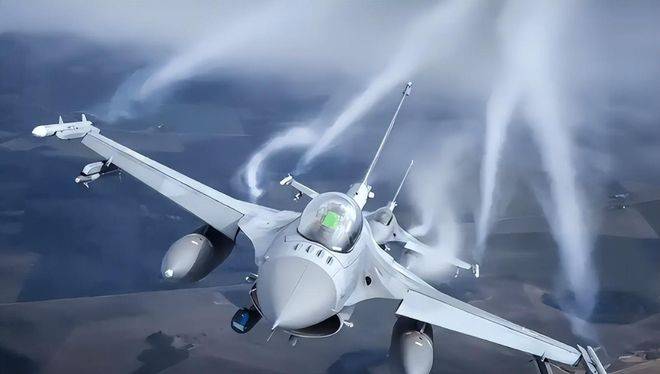
Some might ask, does eliminating this number two figure bring an end to ISIS? The answer is far from certain. U.S. decapitation strikes have eliminated numerous leaders over the years, yet the organization’s roots remain untouched. In sub-Saharan Africa, terrorist attacks have actually increased over the past decade. Why? Drones can destroy bodies, missiles can demolish bunkers, but they cannot fix systemic poverty or broken infrastructure.
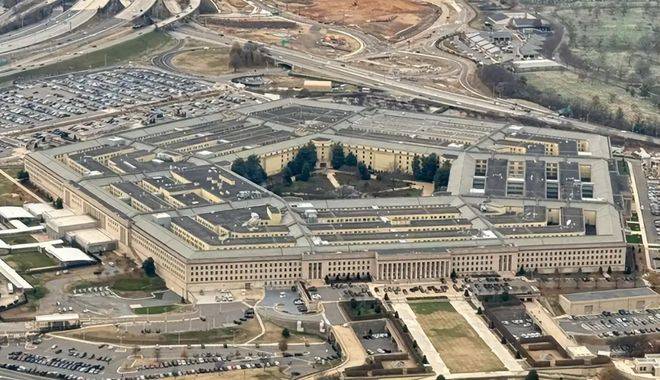
The real breeding ground for terrorism lies in extreme poverty, uncontrolled governance, and unresolved tribal conflicts. As long as young people along the Gulf of Guinea are struggling on the brink of hunger, new Minukis will inevitably emerge from this scorching land. This operation deep in the desert was, in essence, a global geopolitical warning rather than a genuine attempt to eradicate terrorism. The silence of the UK, France, Germany, and Russia exposes the subtle and cold calculations of great power politics. Leaders can be decapitated repeatedly, lists updated endlessly, but as long as the soil of hatred remains, this war will have no visible end. Sources: Global Times, U.S. Military Joint Counterterrorism Operation in Africa