
In the 17th to 18th centuries, as the Maritime Silk Road once again flourished, Europe experienced a wave of fascination with China—a veritable wore a white gown made from Chinese silk that stunned the entire court. At the same time, the admiration for the Chinese language and script swept across Europe like a wildfire.
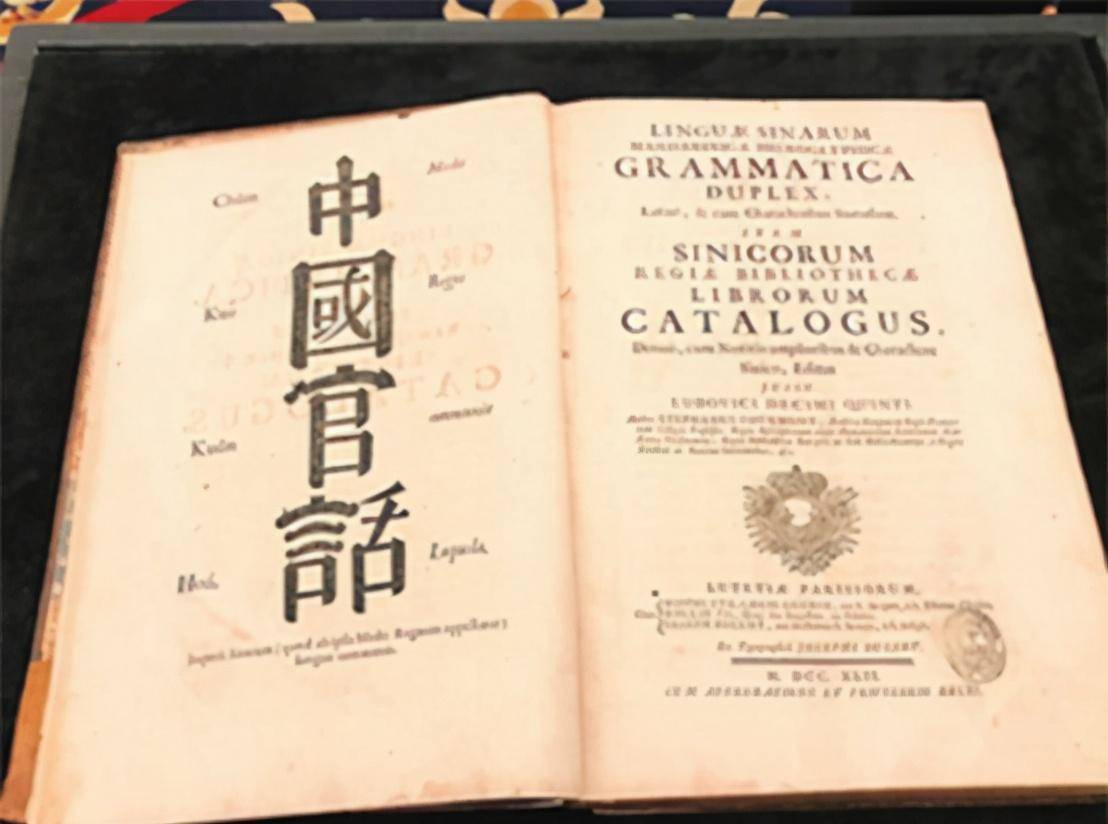
As early as 1669, British linguist John Webb, in his book *The Language of the Chinese Empire as the Original Language*, posited that the written language of China was the original language granted by God to humanity, the very tongue Adam and Eve used in the Garden of Eden. Similarly, his colleague, German scholar Kircher, believed that Chinese was a endant of the language of early humans. Such ideas quickly captivated all of Europe, from the halls of parliament to celebrated writers, who all became fascinated with Chinese. There were even debates on whether Chinese could become the language of the future nation or whether English could evolve into a script like the ideographic Chinese characters. These seemingly curious notions were discussed in Europe for nearly two centuries, and traces of this fascination remain visible even today.
The Europe-wide infatuation with Chinese culture: Chinese civilization illuminating European lands

From the broader historical perspective of the time, the European admiration for Chinese characters was far from baseless. In fact, it was the result of multiple converging factors.
On one hand, the export of Chinese culture to the West had reached a peak. Since the Han dynasty, the Silk Road had opened a gateway to the West. But it was truly after the Tang and Song dynasties that trade and cultural exchanges between China and the West flourished. When Marco Polo traveled east during the Yuan dynasty, he opened a real window for the West to glimpse and understand China. In *The Travels of Marco Polo*, the Yuan capital was depicted as a city paved with gold, where the people lived lives of lavish luxury. For Europeans still mired in the Middle Ages, this image was like a light piercing through darkness. It is hardly surprising that this inspired such fascination and admiration for China.
Even today, historical artifacts and cultural remnants from that era reveal Europe’s imitation of Chinese styles. In the 17th century, Europe produced a large volume of porcelain, heavily influenced by the style of Jingdezhen. Some claim the secret techniques were stolen from Jingdezhen and perfected in France. Yet, even so, European craftsmanship still fell short of the finesse of Chinese porcelain.
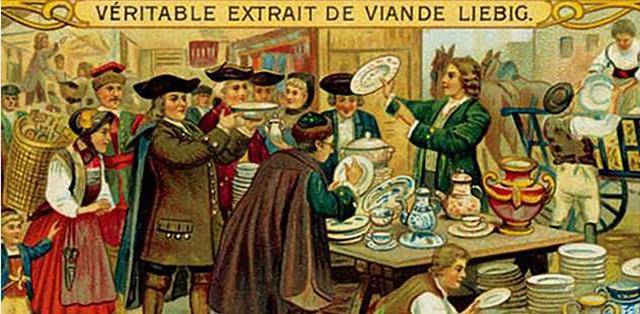
Moreover, European silk production borrowed heavily from Chinese designs and patterns, with merchants proudly labeling their goods as signify superior quality. Particularly during the Yuan and Ming dynasties, textile craftsmanship in China reached new heights, spreading along the Maritime Silk Road to West Asia and Europe. By the mid-to-late Ming era, early capitalism had emerged in the Jiangnan region, with large-scale porcelain and silk manufacturing industries. Merchants shipped their goods worldwide, spreading Chinese language and culture across continents.
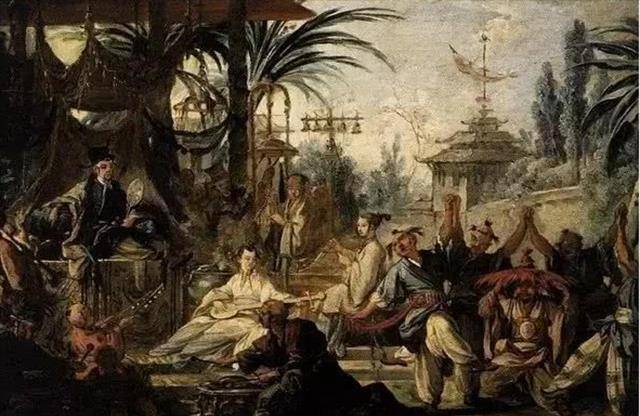
On the other hand, Europe itself was undergoing a cultural and intellectual transformation, moving from the darkness of religious control toward a more diverse civilization.
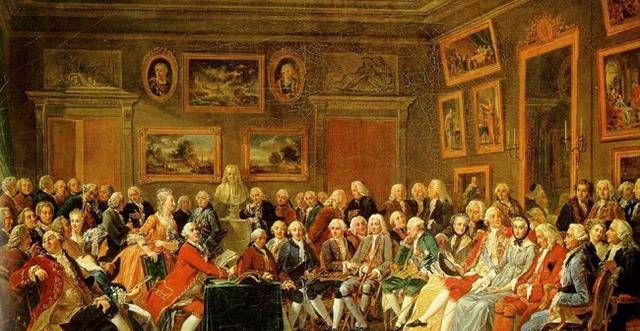
After the long Middle Ages, the brilliance of the Roman Empire had been largely eroded under the weight of religious dominance. Yet, the Renaissance and the Reformation surged like relentless waves across Europe. Each new wave of thought and cultural expression broke through the old constraints, continuously refreshing European minds. By the 17th century, the Renaissance was waning, giving way to the flourishing Baroque and Rococo artistic styles, with art increasingly emphasizing passionate, expressive emotion. In science, figures like Galileo, Copernicus, and Kepler reshaped humanity’s understanding of the cosmos, while Newton sounded the clarion call of enlightenment through physics. At the turn of the 18th century, the Reformation diminished the church’s authority, allowing individuals to pray at home and access the Bible in multiple languages, greatly simplifying reading and understanding without reliance on church authority.
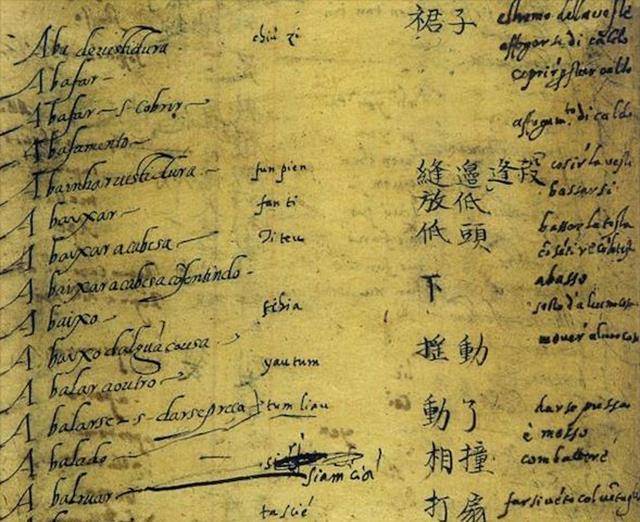
This set the stage for the Enlightenment. Philosophers such as Rousseau and Voltaire absorbed traditional and foreign ideas, giving rise to new democratic and political thought. Yet, as national languages became more widely used, the limitations of Europe’s phonetic scripts became increasingly apparent.
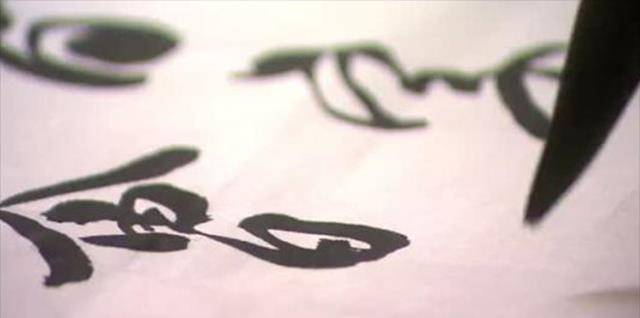
All European languages—English, French, German, Spanish, Italian—are phonetic: letters represent sounds, and different sounds signify different meanings. The major drawback is that if a person hasn’t learned a particular word, its meaning remains unknown. Even though words are composed of a few letters, their meaning cannot be inferred from appearance alone, necessitating endless memorization and study.
For example, the longest English word has 45 letters. Even with root words, continual transformations can drastically alter meaning, making vocabulary acquisition theoretically infinite. Meanwhile, the 17th and 18th centuries saw widespread literacy after the church’s dominance waned, accelerating language evolution. Phonetic scripts change over time not only in spelling but in word usage—old words fall out of use, new ones emerge, and historical texts become increasingly difficult for later generations to comprehend. Consider English: over 1,700 years, it evolved from Old English to Middle English to Modern English, making Shakespeare’s works challenging for modern readers. This posed a significant barrier to cultural and historical continuity: if people cannot read classical texts, how can younger generations understand their history?

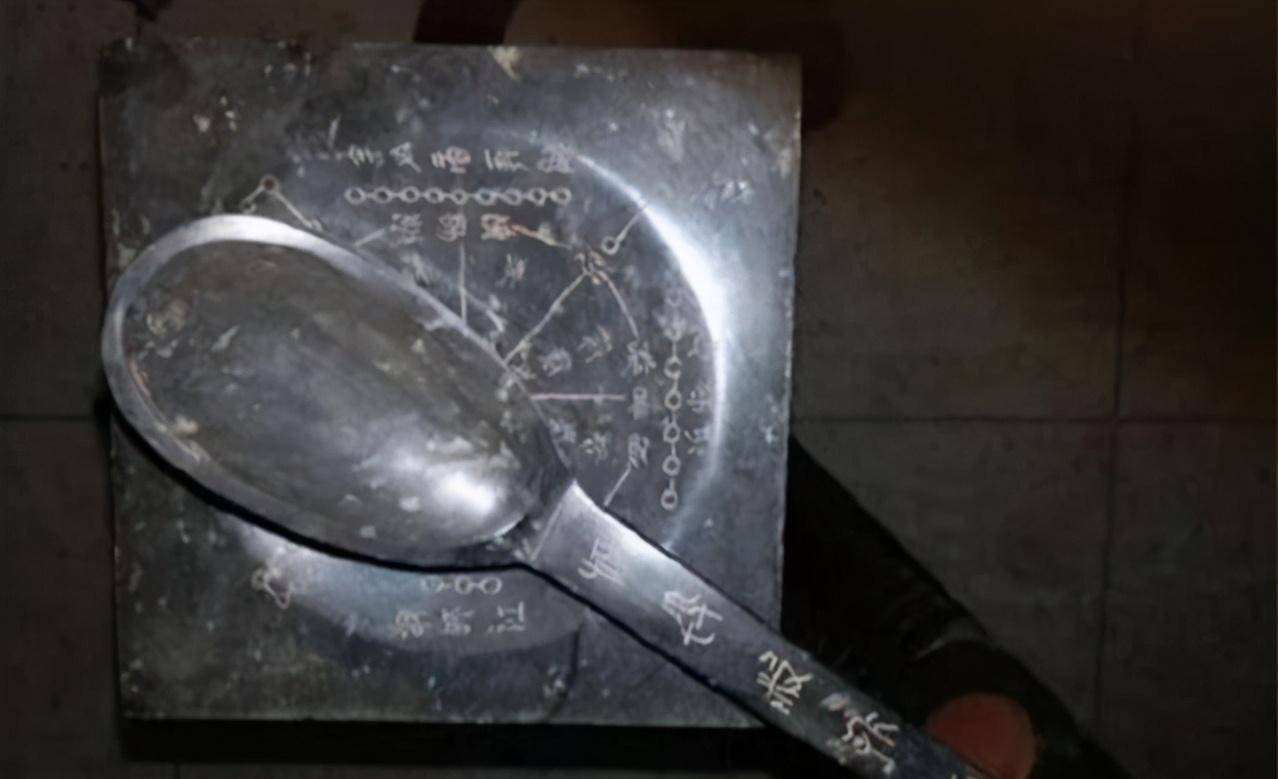
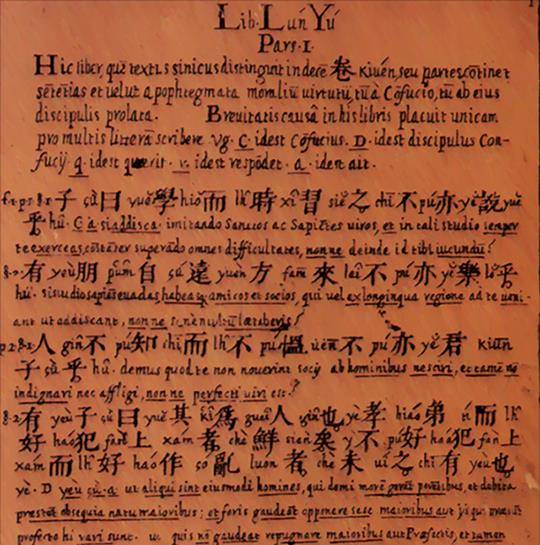
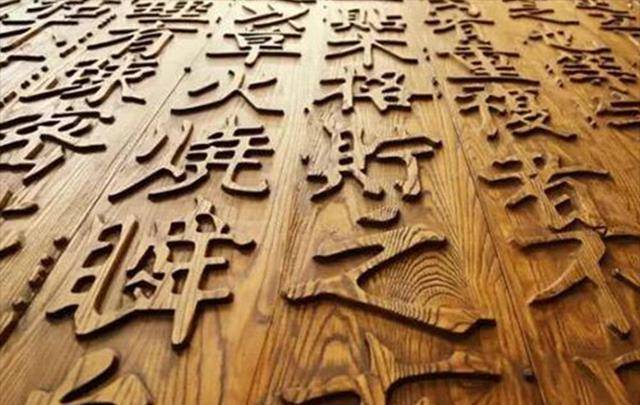
It was precisely because of these two factors that Chinese entered European consciousness. As one of the world’s most renowned ideographic scripts, Chinese characters are constructed through pictographs, simple ideograms, compound ideograms, and phono-semantic compounds. Many characters convey meaning through form alone, and over 75% are phono-semantic, allowing one to infer pronunciation. Though radicals are numerous, their meanings are stable; a radical appearing in different characters conveys a consistent core concept. Thus, even without knowing pronunciation, one can roughly understand a character’s semantic range. Chinese is therefore highly efficient for record-keeping. Furthermore, China is among the world’s oldest continuous civilizations. Across five millennia, despite changes in character forms, the basic structure remains traceable. This continuity allows scholars to study oracle bone inscriptions and understand thousands of years of cultural development through textual records. The evolution of character meanings follows a clear trajectory, enabling us to read and transmit ancient texts across generations. In short, Chinese script is exceptionally conducive to cultural preservation. Europe’s fascination with Chinese—its China craze—from original language to a global phenomenon, is thus understandable. After 1667, when British scholars proposed Chinese as the world’s original language, debates erupted across the continent. Europeans even invoked the biblical story of the Tower of Babel, attempting to demonstrate Chinese’s primordial status by analyzing the babbling of infants. Some scientists claimed that a baby’s cry for food sounded like the Chinese word for bun, inferring that Chinese must be the original language. Clearly, such reasoning was unscientific and far-fetched. Language acquisition in children depends on environmental exposure; infants’ cries are instinctual, not reflective of linguistic origin. Similarly, attempts to explain biblical or Western phenomena through Chinese character forms were common but largely baseless. Nonetheless, these notions reveal one truth: Europeans held—and in some ways still hold—profound admiration for Chinese language and culture. In the contemporary era, as China rises anew, this fascination resurfaces internationally. While the era of overzealous theories has passed, Chinese language and symbols are increasingly present in Western media. Chinese faces are more visible in Hollywood films, Chinese jokes find their way into everyday American life, and Chinese characters adorn fashion and tattoos among young people. Symbols that are mundane in China become trendy icons abroad. In recent years, Western fashion brands have incorporated elements like rural Chinese prints and zodiac motifs into designs, often producing a playful, even amusing effect. While globalizing Chinese culture is welcome, it’s crucial to remember that Chinese characters em not just words, but the deep history and cultural richness behind them. Promoting both the script and its cultural meaning ensures Chinese civilization continues to resonate worldwide. Looking ahead, the path for Chinese as a world language remains long and challenging. Over three centuries have passed since the first proposal of Chinese as a global language. In this time, human civilization has advanced at an unprecedented pace. With technological revolutions and shifting global dynamics, the question of how Chinese can spread internationally is pressing for modern linguists. In 2004, the first Confucius Institute was established in South Korea. Designed to promote Chinese language and culture, these institutes are like seeds planted globally, growing rapidly within just a decade. Today, China has set up 550 Confucius Institutes and 1,172 classrooms in 162 countries and regions. Students emerging from these institutions carry enthusiasm for learning Chinese culture and promoting China’s voice. Yet, the road has not been smooth. While many Western schools offer Chinese as an elective, relatively few choose it. This is understandable: other Latin-script languages are easier for young learners, widely used, and come with inherent advantages. Chinese characters are more challenging to write, relying heavily on rote memorization. Furthermore, a single character may have multiple pronunciations and meanings, and tonal differences are difficult for Western learners. Thus, despite the allure of Chinese as an oriental mystery, making it a truly global language on par with English remains a formidable task. To better promote Chinese, we must first internalize it—deeply understanding our own language and culture. Only by confidently sharing our culture, connecting language to its historical and cultural roots, can Chinese leave a lasting mark on the world stage, emerging as a distinctive global trend. Written by: Wen Shi Wang Wang