
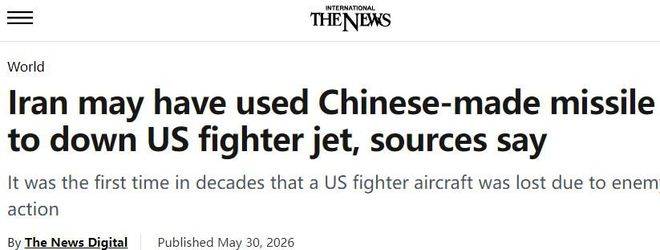
A sudden aerial incident, with no concrete evidence, was unilaterally attributed by mainstream U.S. media to a sovereign nation thousands of miles away. Recently, multiple foreign media outlets rapidly disseminated so-called breaking intelligence, claiming that Iran had used Chinese-made portable air defense systems to shoot down a U.S. F-15E strike fighter. This claim quickly went viral on social media and news platforms, sparking global discussions.
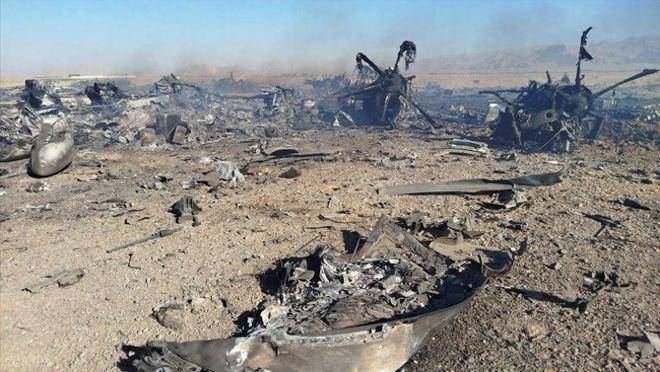
The full sequence of events and the media hype details are as follows: In early April 2026, an F-15E Strike Eagle belonging to the U.S. Air Force crashed in southwestern Iranian airspace. Both pilots were rescued by U.S. special operations forces in time and were reported in stable condition.
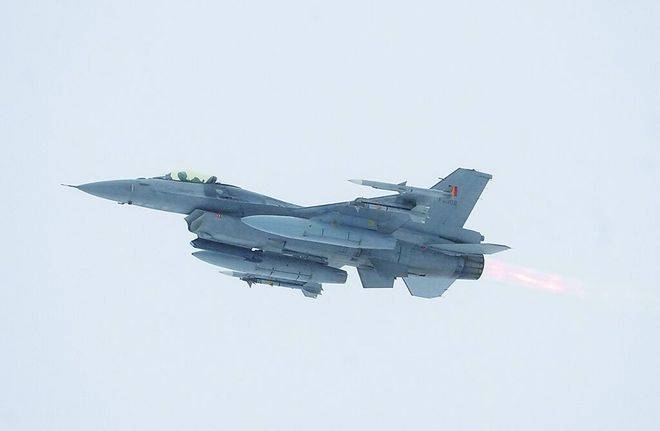
In the initial phase, neither the U.S. nor Iran provided technical explanations for the crash, only confirming that the aircraft had gone missing and was ultimately destroyed. A nearly sixty-day silence from official channels created fertile ground for unverified speculation, with the international opinion sphere filled with conjecture and assertions. On May 30, NBC News, citing vague clues from so-called U.S. military insiders, was the first to accuse Chinese-made portable air defense missiles of involvement, specifically pointing to certain models.
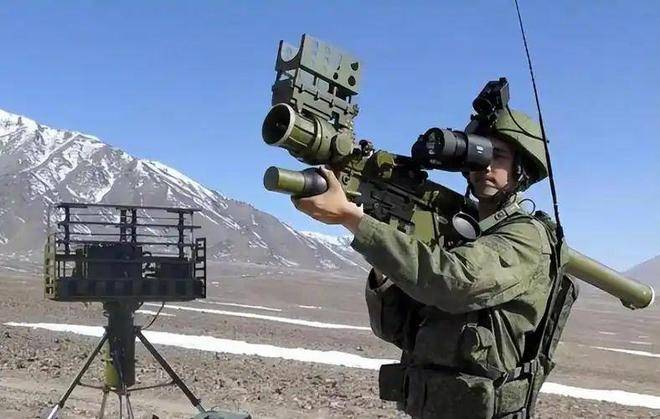
Once the report was released, multiple Western-aligned media in Europe, Australia, and the Middle East immediately began coordinated reposting. They deliberately used biased language to reconstruct the narrative, emphasizing the technical cooperation between China and Iran and exaggerating the potential deterrent effect of domestically produced air defense systems in real combat. The report repeatedly mentioned the FN-6 and FN-16 man-portable air defense systems, suggesting that Iranian units were highly likely to rely on these weapons for the strike. It also referred to the YLC-8B long-range early warning radar as possibly performing target identification and guidance tasks. All riptions were prefaced with terms like possibly, speculated, and believed, with no verifiable imagery, wreckage, spectrum data, or operational logs provided.
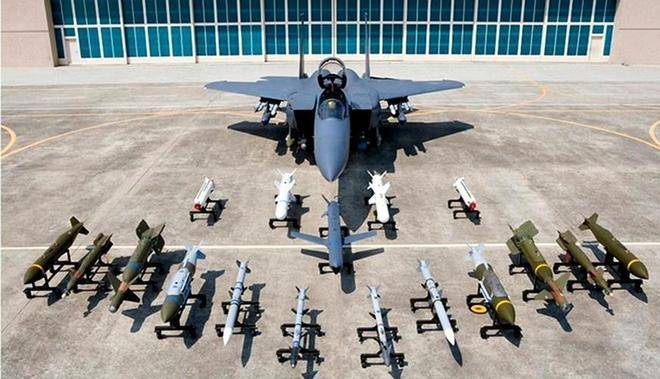
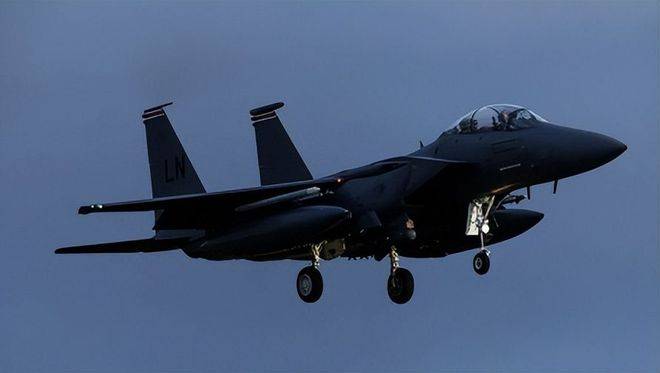
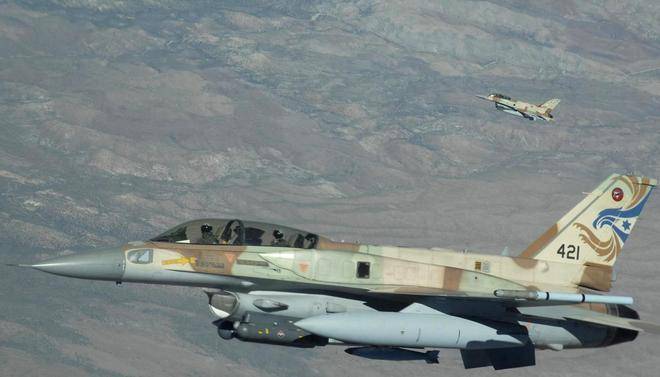
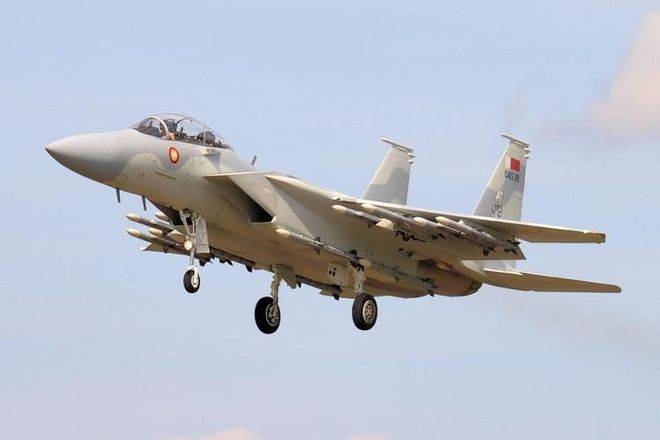
It is worth noting that the F-15E, a dual-seat heavy multirole fighter in U.S. service for over thirty years, has been heavily involved in the Gulf War, Iraq, and Syria operations, maintaining an extremely low attrition rate. This accident should have served as a key sample for evaluating the aircraft’s health and tactical performance, yet external media forcibly integrated it into a geopolitical narrative.

As online debate escalated, authoritative information began to emerge through formal channels, systematically dismantling the false causal chain constructed by foreign media and exposing logical gaps and factual blind spots. The U.S., Iran, and China issued statements forming a tightly corroborated loop.
In early June, the U.S. Central Command officially stated that the F-15E had not been downed by air defense fire, attributing the crash to a sudden flight control system anomaly—a typical mechanical failure—entirely unrelated to enemy air defense. Iranian Revolutionary Guard Corps later released high-resolution on-site inspection footage showing tail fin breakage, main wing deformation, ejector seat activation traces, and engine compartment burn marks, declaring that no imported air defense equipment was used during the airspace defense operation.
Iran further disclosed that the defense relied entirely on its domestically produced Hordad-15 medium-to-short-range air defense system, designed and manufactured by Iran’s defense industry. All core components, including phased-array fire control radar, vertical launch units, and infrared/radar dual-guided missiles, were 100% domestically produced with no foreign technology embedded. In response to foreign media’s misleading claims linking Chinese military products, China’s diplomatic missions in the relevant regions formally stated that such remarks were baseless malicious fabrications intended to manipulate public opinion and disrupt normal defense cooperation. China reaffirmed that its arms exports always adhere to legality, transparency, and respect for sovereignty.
China made clear that the deployment, operational control, and combat decisions regarding exported military equipment are entirely under the purchasing country’s authority. China does not intervene or participate in any foreign military operations and strongly opposes the baseless linking of legitimate international trade with local conflicts. From all publicly available sources, foreign media allegations were based solely on anonymous sources, with no missile wreckage comparison, radar data analysis, or third-party technical verification—merely patchwork pseudo-truths compiled from fragmented information, severely undermining credibility and professionalism.
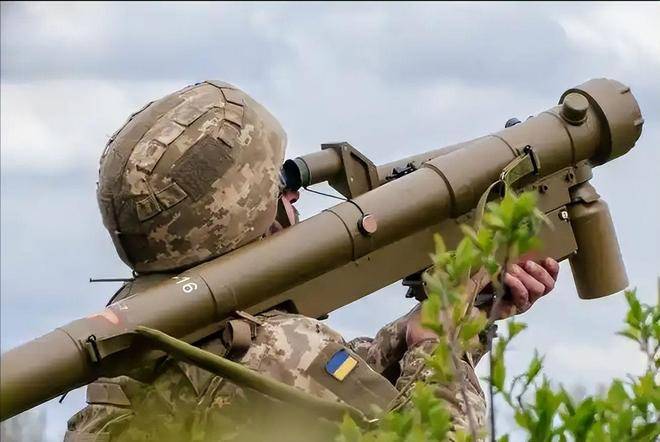
Similar incidents have occurred repeatedly in recent years. Reviewing Middle East aerial confrontations over the past five years, whenever regional countries successfully defended against U.S. air strikes with domestic air defense, Western media typically applied a standardized narrative: attributing interception success to advanced foreign weaponry to downplay U.S. tactical errors and aging equipment. For example, in Yemen, the Houthi forces repeatedly damaged U.S. and Israeli aircraft, and foreign media also amplified claims of Chinese-made portable missiles. Subsequent UN expert verification confirmed these were self-modified systems based on old Soviet models, with no substantive foreign supply connection.
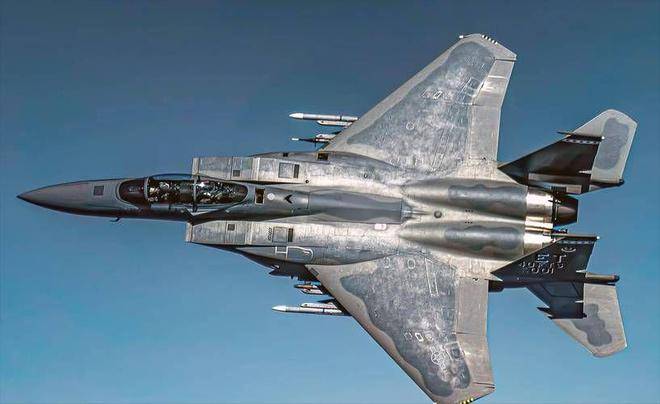
Such homogenized media operations have clear strategic intent: to justify expanding U.S. forces in the Middle East and increasing air defense suppression procurement budgets, while simultaneously stigmatizing other countries’ legitimate arms trade to dominate military export narratives. In the F-15E case, internal U.S. investigations could not identify any valid interception trajectory, obtain missile fragments, or release electronic countermeasure records, relying only on vague timelines and coincidental locations—a typical diversion tactic to shift attention from aircraft airworthiness issues.
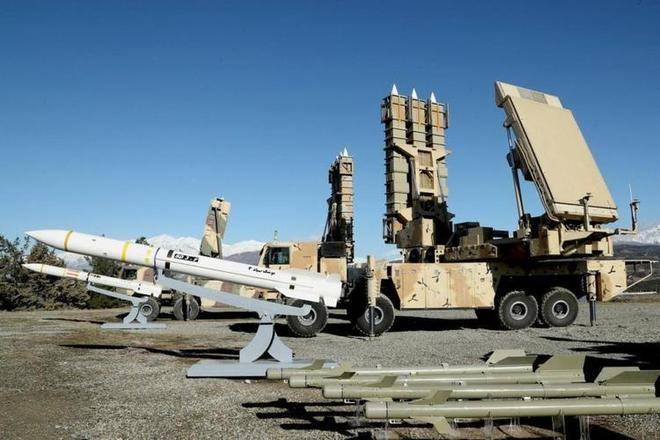
The F-15E fleet averages over 32 years of service, with some airframes nearing structural fatigue limits. Increasing incidents of avionics compatibility issues, hydraulic leaks, and sporadic flight control software malfunctions have occurred in recent years, with similar aircraft worldwide experiencing multiple non-combat crashes—far from isolated. Historical patterns suggest that the current media offensive is a recycled, standardized crisis PR tactic, exploiting information asymmetry to artificially inflate foreign weapons effectiveness while concealing U.S. equipment aging and tactical rigidity.
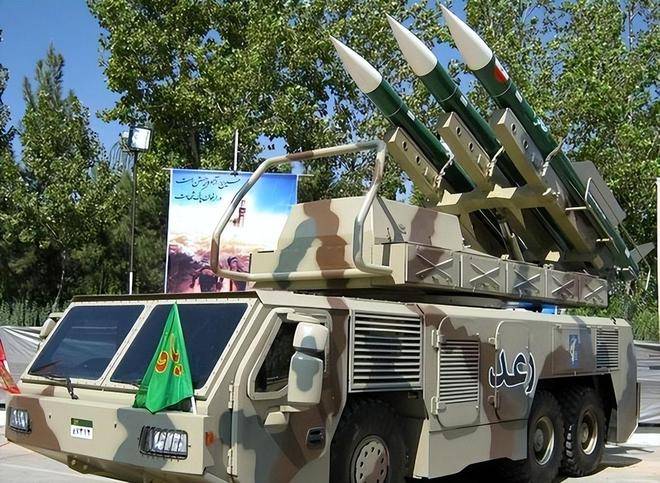
From a modern aerial combat perspective, the F-15E is equipped with AN/ALQ-218 tactical receivers and AN/ALE-47 countermeasure systems, offering excellent low-altitude terrain-following and electromagnetic interference resilience. Conventional man-portable missiles are severely limited in guidance field of view, range envelope, and anti-jamming margin, making stable targeting and effective damage against fast, maneuvering aircraft highly improbable. Even with Iran’s multi-layered air defense network of medium-to-long-range, point defense, and terminal intercepts, publicly deployed portable systems serve as supplementary battlefield assets for low, slow, small targets, insufficient to independently intercept heavy tactical aircraft.
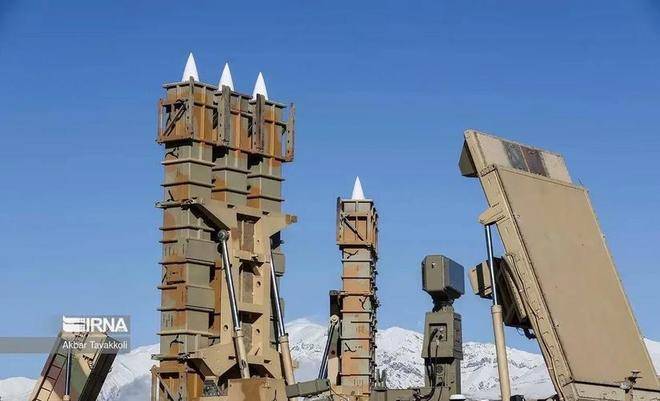
Considering all authoritative statements, physical evidence, aerial combat principles, and past cases, the foreign media’s narrative of Chinese missiles downing an F-15E fails at factual, evidential, logical, and technical levels. The incident is essentially a meticulously staged transnational media performance with no substantive support. This exposes structural imbalances in the international media landscape, where certain Western outlets increasingly abandon journalistic standards, prioritizing geopolitical agendas over fact-checking, and frequently exploiting military incidents to incite division, distort perceptions, and manipulate public judgment.
Conventional defense cooperation under the UN Charter and international arms trade regulations is a sovereign right, conducted with fairness, controllable usage, and traceable risks. Linking legal military equipment transfers to battlefield outcomes violates logic and systematically undermines other nations’ legitimate international relations. In response to cross-regional military media coverage, the public must improve media literacy and information discernment, prioritize authoritative sources such as national defense ministries, UN Disarmament Affairs, and the Red Cross, and avoid being trapped by pre-set biases.
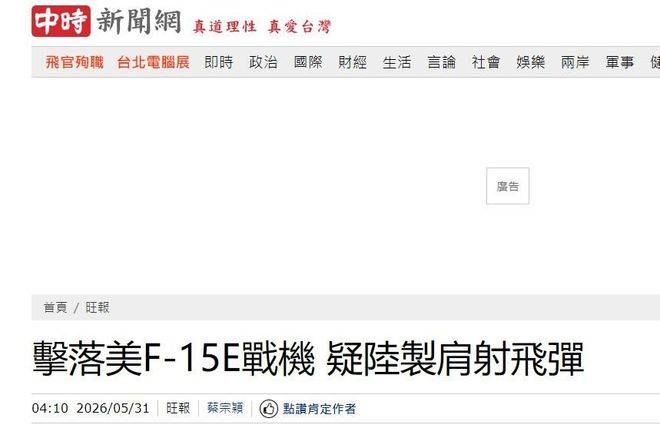
Regarding the F-15E airspace anomaly itself, all accusations pointing to Chinese air defense equipment have been authoritatively denied, with no visual evidence, physical proof, or technical verification—entirely speculative and unfounded. How do you view this deliberate media hype and orchestrated narrative? Sources: [images]