July 1, 1933. The relentless march of the Fourth Regiment of the Red First Army, under the command of Captain Deng Guoching, led them to a precarious juncture—the boundary between Fengcheng and Le’an counties in Jiangxi, near a place called Jiao Pit. Days of arduous campaigning and long stretches without adequate supplies had left the soldiers of the Eleventh Regiment utterly exhausted. The gnawing hunger and the desperate need for ammunition were palpable burdens. In that bleak situation, a harsh reality loomed: survival demanded action. And where would they find the sustenance they desperately craved? From the wealthy landowners, of course. Their eyes fell upon Qiu Gao Cai, the most notorious and avaricious landlord in the area. The Second Battalion, Fourth Company, was tasked with this perilous mission.
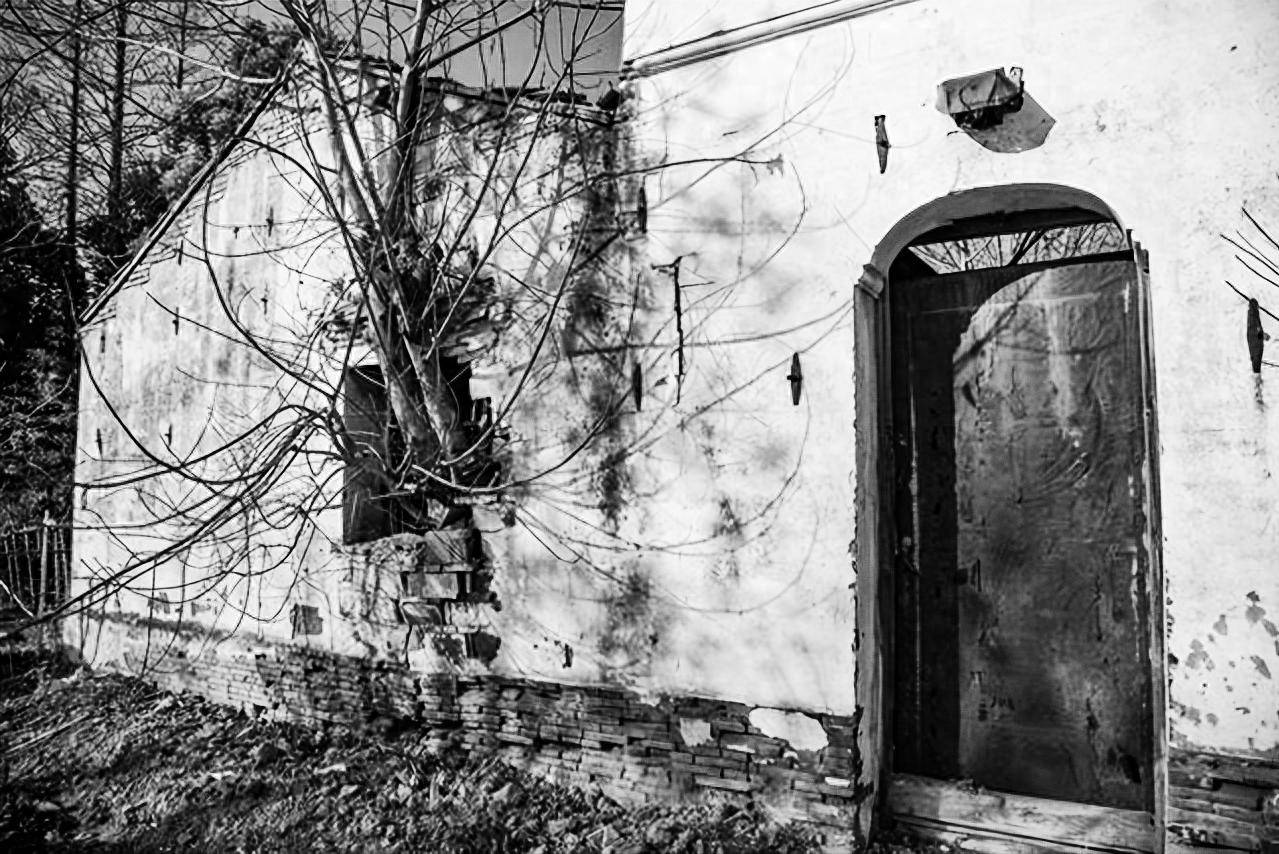
When the company arrived at Qiu Gao Cai’s grand estate, however, they found only emptiness. The cunning old fox, anticipating trouble, had already fled with his entire family, leaving behind a sprawling, desolate mansion.
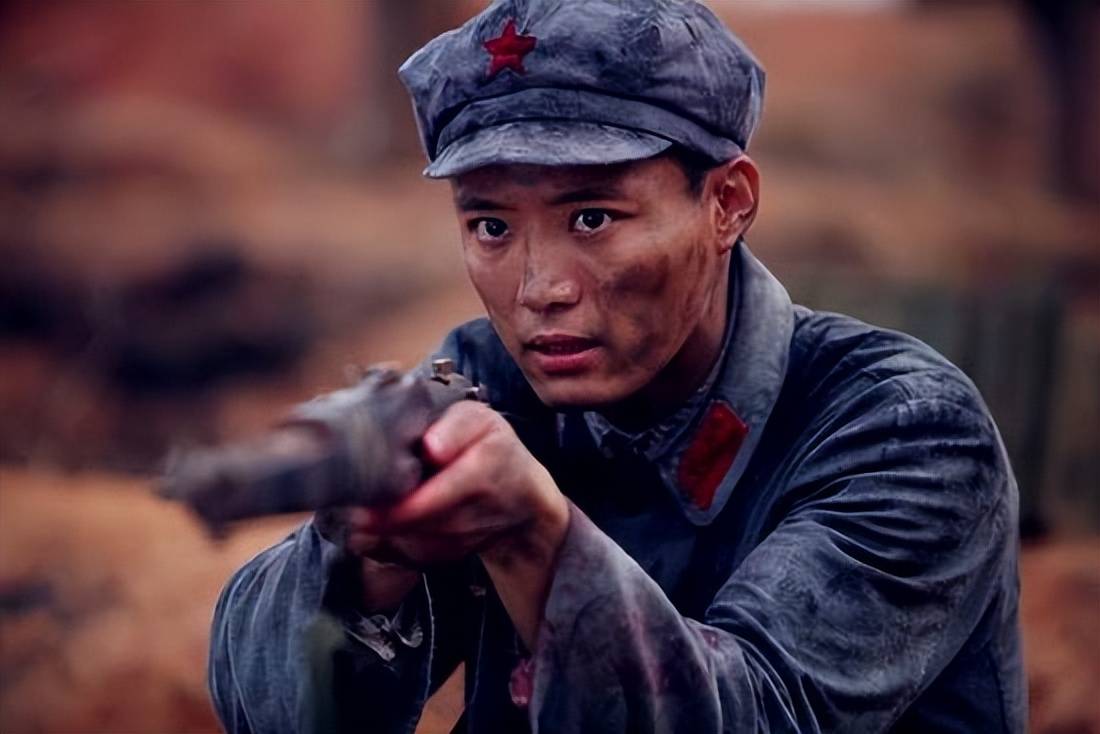
Company Commander Chen Yong’an felt a pang of disappointment, but quickly rallied his troops, ordering a thorough search of the property. Qiu Gao Cai, it turned out, was a master of concealment. He had skillfully transferred the bulk of his wealth, leaving behind a paltry 1,000 pounds of moldy, aged grain – barely a drop in the ocean of the regiment’s needs. Yet, even though the mission yielded meager financial returns, the expansive estate provided an unexpected respite. The Eleventh Regiment established its headquarters within the spacious confines of Qiu Gao Cai’s abandoned home. That evening, a lone guerrilla rider, dispatched from Le’an County, galloped towards them bearing a vital message. At the gate, a young sentry named Fang Changfu dutifully secured the horse—a magnificent white steed—and directed the rider to Captain Deng Guoching.
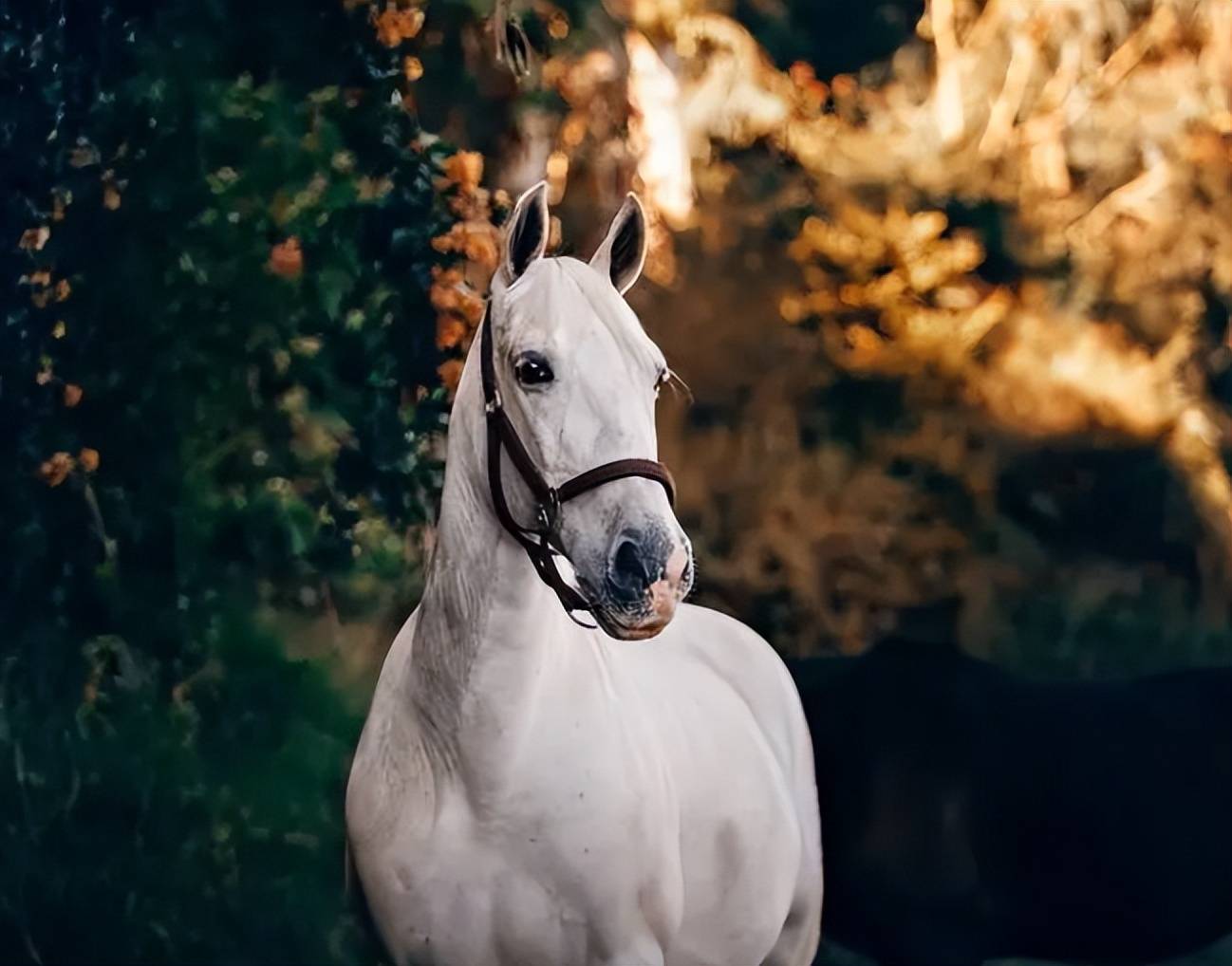
A little while later, Fang Changfu's attention was abruptly drawn by a series of peculiar sounds emanating from the spot where the horse was tethered. He rushed over, his heart pounding with a sense of foreboding. To his astonishment, the white horse was frantically pawing at the ground with its front hooves, creating a rapidly widening pit. Even stranger, it would occasionally pause, lowering its head to sniff at the freshly disturbed earth, letting out short, snorting puffs of air. He’d never witnessed such behavior in a horse before, and a swirl of uncertainty filled his mind. Just then, Captain Deng Guoching and the messenger emerged from the house, their discussion evidently concluded. As the guerrilla prepared to depart, Fang Changfu quickly relayed the bizarre scene he had observed. Deng Guoching, intrigued, joined the messenger in approaching the restless horse.
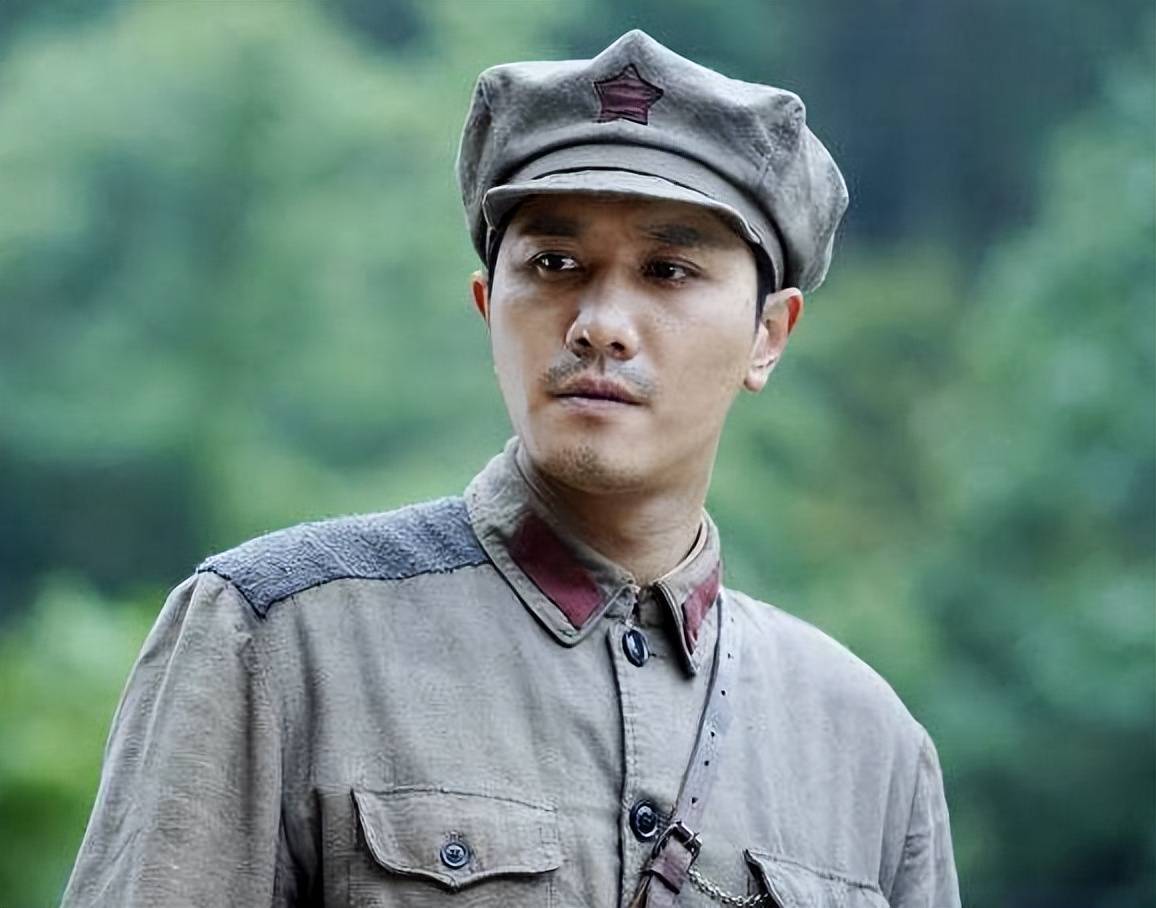
The guerrilla, having watched for a moment, remarked with a hint of bewilderment, This animal has never acted like this before—it must be a strange fever! I suppose I’ll have to give it a good scolding. He reached for his horsewhip, ready to administer a reprimand. Deng Guoching swiftly intervened, holding up his hand. Don’t hit it! Take a closer look—it seems like it’s searching for something. Fang Changfu and the guerrilla squinted intently, and an utterly unbelievable sight unfolded before them. The white horse continued to dig with renewed vigor, until a patch of black oilcloth emerged from the deepening pit, scattered with tiny, glistening white specks. The horse abruptly ceased its digging, eagerly licking at those white granules with its tongue.
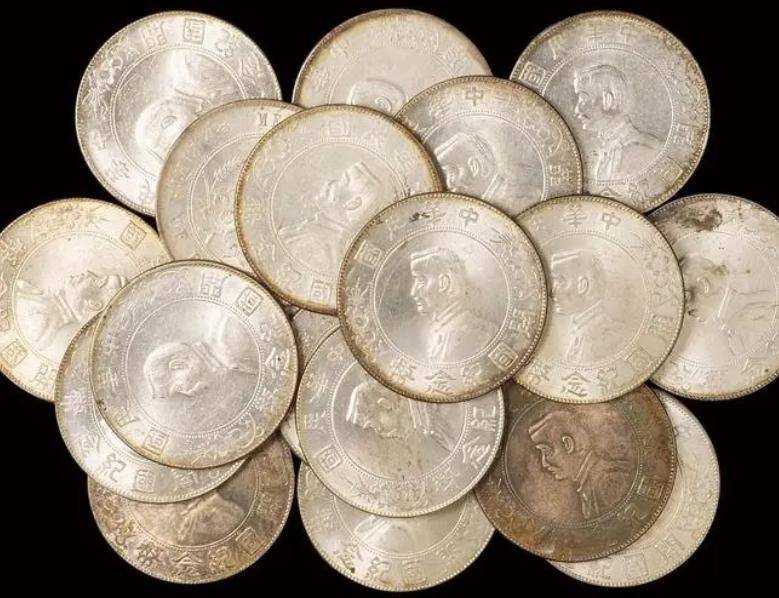
Salt! Deng Guoching exclaimed, quickly untying the horse's reins and leading it away from the excavation. But the horse was far from satisfied, whinnying and stamping its hooves, its gaze fixed on the remaining salt. Fang Changfu, brimming with anticipation, eagerly brushed away the soil around the black oilcloth, revealing a treasure trove – hundreds upon thousands of silver dollars, shimmering under the fading light. Ha ha! The old miser still left us some money! Fang Changfu roared with laughter, and together with the guerrilla, he carefully lifted the heavy bundle of coins. But the surprises were not over. Beneath the oilcloth-wrapped dollars lay a large, black earthenware jar.
Fang Changfu couldn’t resist. He lifted the lid of the jar, revealing it to be brimming with tiny, pearly-white granules. He tasted a pinch, and a grin spread across his face. Salt! A whole jar of it! We've solved our salt problem, Captain! Deng Guoching beamed with relief. Indeed, enough to last us a good while. It seems the landlord couldn't bear to part with these items, so he buried them in the yard. Who knew a guerrilla’s horse, with its exceptionally keen sense of smell, would sniff out the salt and uncover these treasures! After a thorough count, the hoard totaled 1,800 silver dollars and 60 pounds of salt—a substantial windfall for the Red Eleventh Regiment, which had been teetering on the brink of starvation. In that era, the production and distribution of salt were tightly controlled by the Nationalist government, making it an extraordinarily precious commodity for the Red Army. The soldiers playfully teased the guerrilla rider, proclaiming that his white horse was truly miraculous and deserving of eternal gratitude. But the horse’s contribution extended far beyond the immediate relief of salt and money. Buoyed by the unexpected supplies, the Red Eleventh Regiment launched a daring attack on Fengcheng just days later, achieving a crucial victory. The white horse, in its own unassuming way, had played a pivotal role in that triumph—a testament to the unexpected ways fortune can turn on the battlefield. *References: The Red Banner Flies Over E-Hubei-W-Gan, Memoirs of the Red Army’s Long March, Documentary of the Red First Army, etc.*