
Meanwhile, Apple officially announced the launch of iPhone Handoff. In fact, this new feature was leaked and uncovered by developers early on when the iOS 27 Developer Preview was released.

(Image source: MacRumors)
Its core function allows a single cellular number to be shared across two iPhones. The feature works not only on these three new models but also on certain older iPhones.
One Number, Two iPhones
Anyone who has used the cellular Apple Watch will recall the One Number, Two Terminalsplan offered by carriers for the watch’s cellular service. Under this plan, the watch shares one phone number with the paired iPhone, and all voice minutes and data usage are counted under the same plan. With this feature, you can go out for a run or walk without carrying your iPhone, yet still receive calls and texts, while keeping watch apps connected to the internet in real time.
At its core, iPhone Handoff delivers exactly the same One Number, Two Terminals functionality — the only difference being that the two connected devices are now two iPhones instead of one iPhone plus one Apple Watch. Still, there are notable differences in implementation details.
First, the two iPhones are designated as primary and secondary devices. Carrier settings such as call forwarding, caller ID display and account management remain tied exclusively to the primary device; the secondary device has no such permissions. The primary line must be an eSIM; physical SIM cards are not supported.
Second, both iPhones must be signed into the same Apple ID and run iOS 27 or later.
Crucially, the two phones cannot use the same cellular number simultaneously. When one is active, the other must be powered off or switched to Airplane Mode.
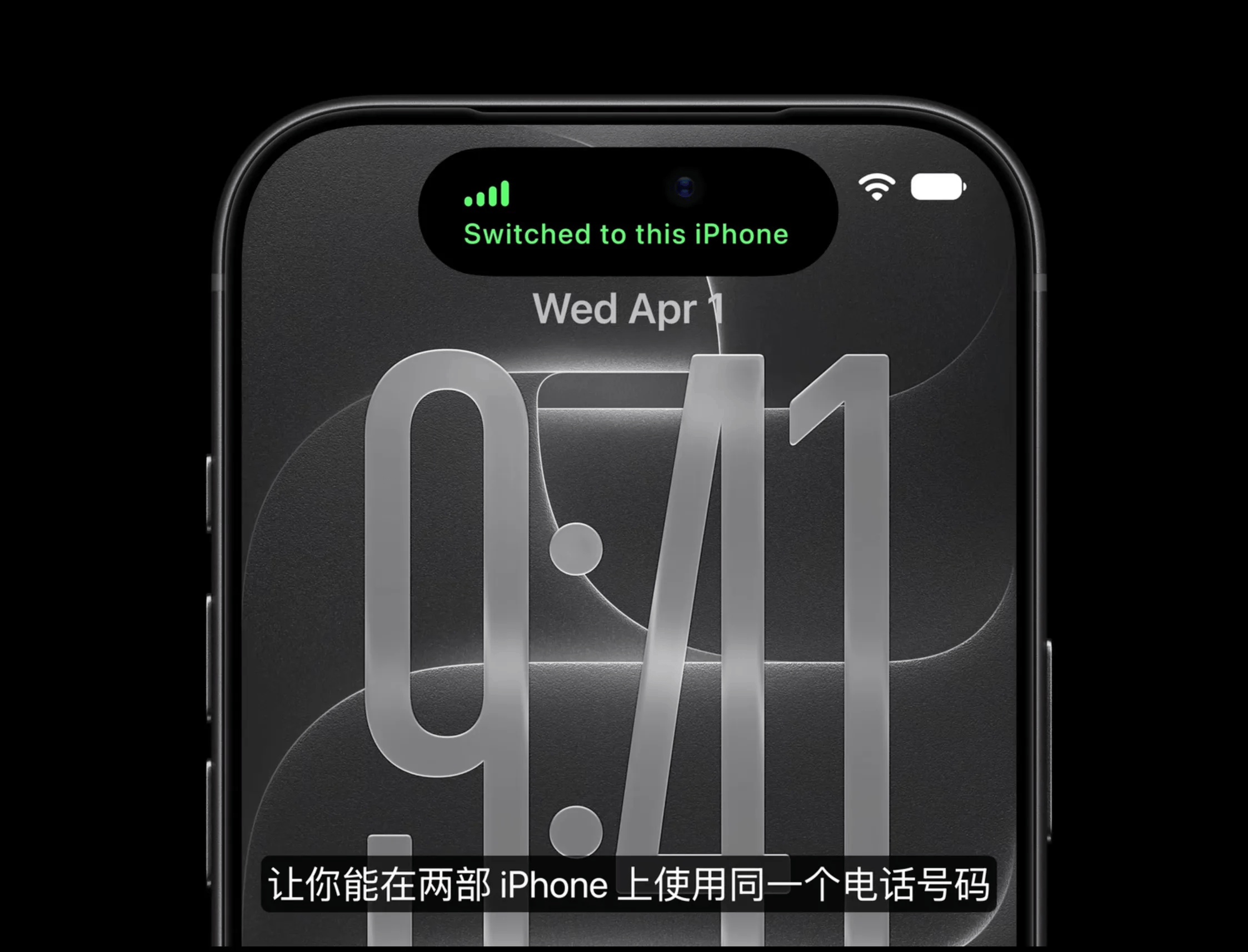
(Image source: Apple)
After reviewing how iPhone Handoff operates, I immediately thought of China Mobile’s Worry-Free Roamingservice. When traveling abroad, users can open the Worry-Free Roaming app and receive SMS messages and answer incoming calls for free without inserting a physical SIM card. The service only activates when the physical SIM card is offline — either removed, powered off or set to Airplane Mode.
In short, iPhone Handoff does not let two devices use the same number at the same time; only one device can go online with that number at any given moment.
It is also worth noting that this feature is not free, and carriers retain substantial control over it. For example, US carrier T-Mobile charges $5 per month for iPhone Handoff. Deutsche Telekom does not levy a separate fee for Handoff itself, but requires users to subscribe to its MultiSIM service, which costs an extra €6.95 per month for an additional line.
iPhone Handoff: Less Useful Than It Sounds
Once you factor in the restrictions — simultaneous usage blocked, monthly subion fees, eSIM-only support — it becomes clear that iPhone Handoff is rather underwhelming.
Apple’s original vision was simple: owners with two iPhones would no longer need to open extra lines. All calls, data and texts would be consolidated and synced in real time across devices, eliminating missed messages and the hassle of managing multiple SIM cards.
Secondary lines offer clear advantages. First, costs are predictable. For China Unicom, each secondary line adds just 10 yuan to the monthly bill, and many high-tier plans even include free secondary lines. Voice minutes and data can be fully shared between primary and secondary lines with no extra charges. Most users never use up all their plan data, so splitting the allowance across multiple devices with secondary lines improves resource utilization.
Second, secondary lines are fully independent and far more flexible. Each secondary line has its own standalone number,which can be used to register separate accounts. You can also pass a secondary line to family members, and since each has a unique number, there is no restriction preventing simultaneous use.
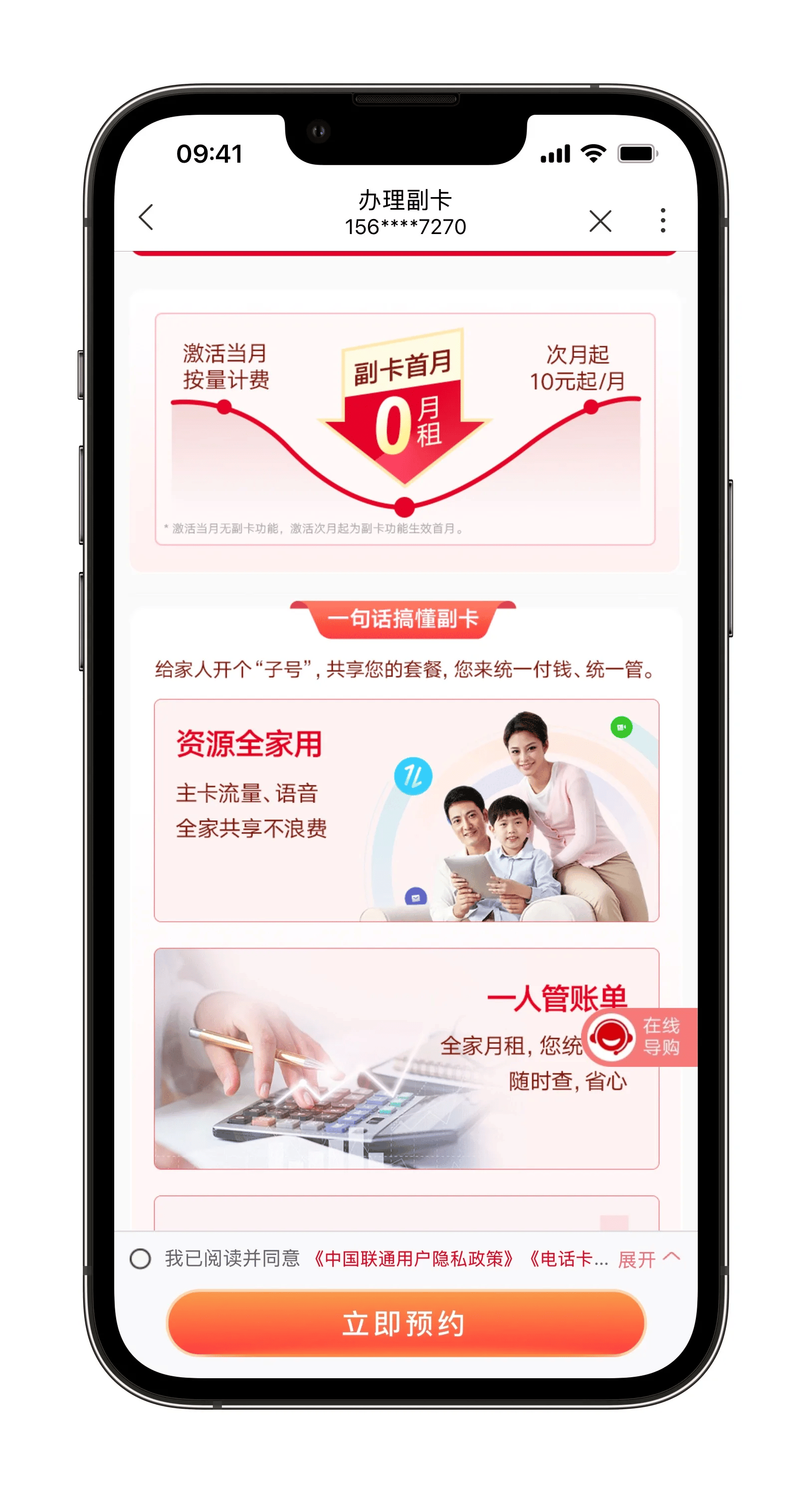
(Image source: China Unicom App)
As for the call and SMS syncing problems that iPhone Handoff is meant to solve, existing Apple features already get the job done. As long as both iPhones are signed into the same Apple ID with iCloud Sync and call forwarding enabled, texts received on one phone will automatically appear on the other — even if the two devices use completely different SIM numbers. When connected to the same local Wi-Fi network, incoming calls on one iPhone can also be answered on the other.
We also have to complain about the confusing naming choice for iPhone Handoff. Back in 2014, Apple introduced the original Handofffeature in iOS 8 and OS X 10.10. It enabled seamless task continuity across Mac, iPhone, iPad and Apple Watch — for instance, you could start a note on your phone and finish typing it on your computer. The new iPhone Handoff is merely cellular number sharing between two iPhones, a completely different function reusing the same name, which is bound to confuse usersApple Supp...
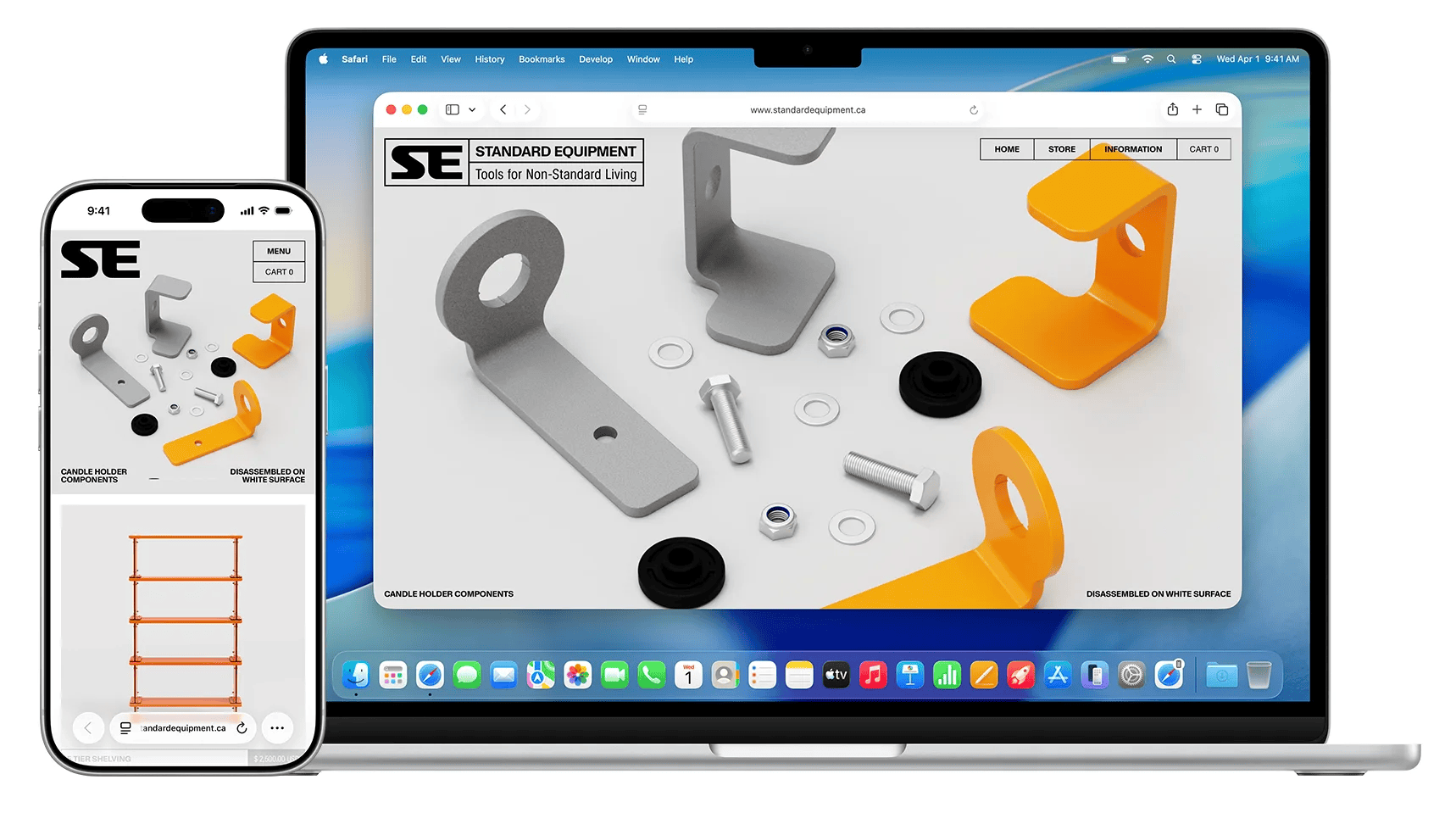
(Image source: Apple)
Carriers Hold the Upper Hand
Many of these restrictions are unlikely to stem from Apple’s own design choices; they are largely imposed by mobile carriers. The rule barring two phones from using the same cellular number at once is a carrier requirement.
The restriction is primarily rooted in security risks. If multiple devices could share one number, bad actors who clone the line could hijack accounts, steal funds and commit identity fraud. Most countries enforce strict real-name registration rules for voice and SMS-enabled SIM cards, and regulators tend to prohibit multi-terminal sharing of a single number.
The One Number, Two Terminals feature on cellular Apple Watches comes with many special exemptions. A smartwatch is not a full-featured communication device like a phone, with far more limited use cases. Even so, carriers have started tightening restrictions on wearable multi-terminal services. Many users report that their cellular Apple Watch fails to make outgoing calls when the paired iPhone is within cellular coverage.
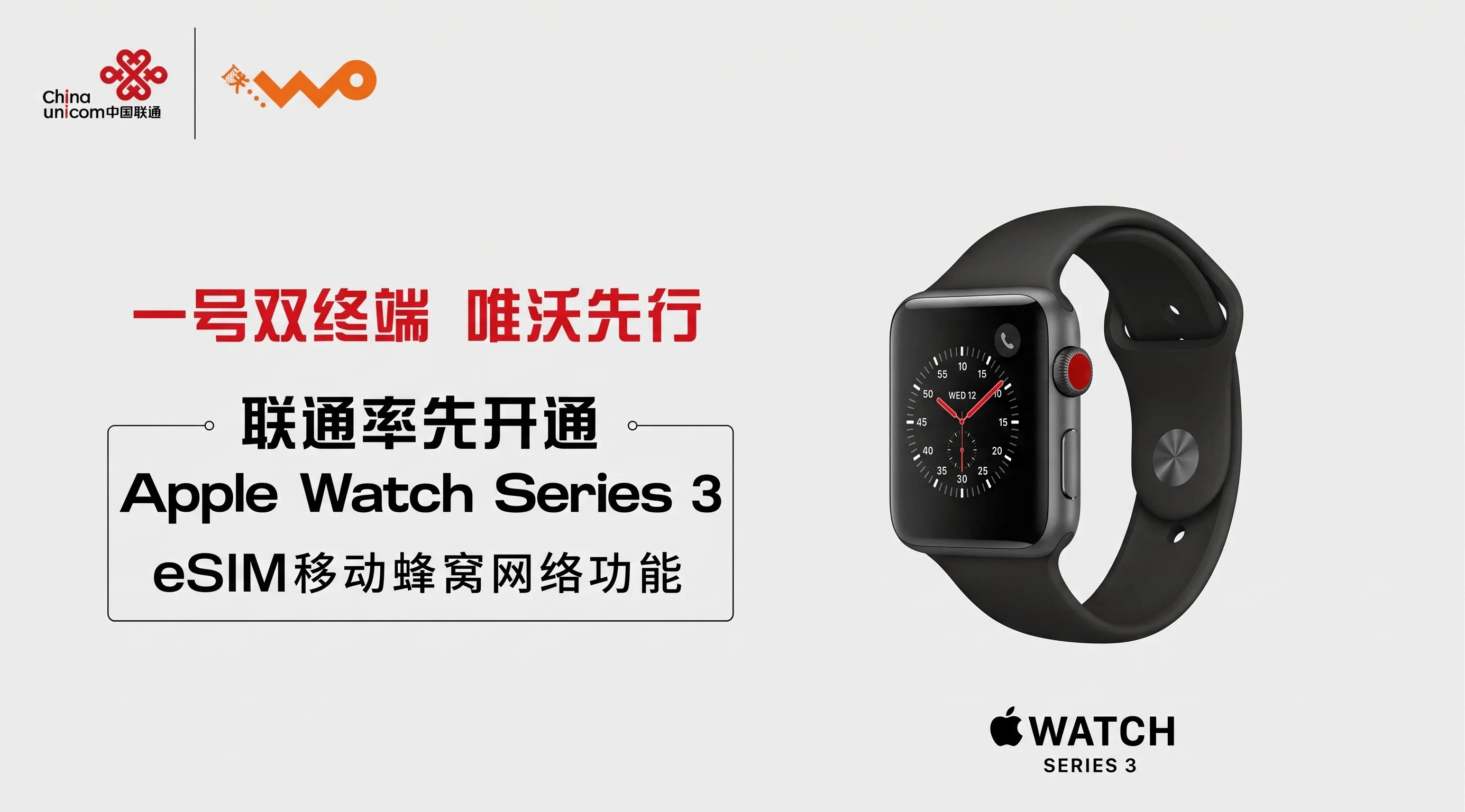
(Image source: China Unicom)
In our view, Apple is pushing iPhone Handoff partly to boost adoption of eSIM technology. Apple has spent years aggressively promoting eSIM adoption, and the new foldable iPhone Duo will ship with an all-eSIM design, with no physical SIM slot at all. If one eSIM number can be reused across multiple devices, it would theoretically deliver greater convenience.
Leitech (ID: leitech) believes that while iPhone Handoff is currently limited to iPhones, its best use case would actually be data-only eSIM devices. For example, a cellular iPad only used for internet access, not calls, would face far fewer carrier restrictions when sharing a number with an iPhone, making device management much simpler. The current iPhone-to-iPhone version of Handoff simply lacks practical value.
We also hold a conservative outlook on whether iPhone Handoff will launch in mainland China. Chinese regulators maintain strict oversight of mobile eSIM services: a single phone can only hold two eSIM profiles, and all account changes including activation, device switching and cancellation must be completed in physical carrier stores.
Carriers have little incentive to expand the watch-based One Number, Two Terminals service to iPhones. Not only would they face regulatory and security pressure, but the business would bring in very little incremental revenue.
Great Expectations, Harsh Reality
To sum up, the problem iPhone Handoff tries to solve is legitimate. Sharing one number across two iPhones would undoubtedly simplify switching between a main phone, backup device and travel phone while on business trips. Even so, the implementation offers few tangible benefits compared with the secondary-line setup Chinese users are already familiar with.
Apple has transplanted the One Number, Two Terminals logic from Apple Watch to paired iPhones — and brought over all the original restrictions. Devices are split into primary and secondary tiers, with the secondary unit locked out of carrier-level settings. Only one phone can stay online with the number at a time, users must pay an extra monthly fee, and the service only works with eSIM. For anyone already using a secondary line, iPhone Handoff adds almost no extra value.
The only real merit of iPhone Handoff is that it consolidates what previously required manual forwarding settings into a native system toggle. You only need to pair the two phones once to activate the feature. But this small convenience cannot offset the cost and usage limitations.
The bigger issue lies in power dynamics: Apple wants to push eSIM adoption, but carriers are reluctant, leaving users caught in the middle. Within China, data-only eSIM tablets and gadgets are a far more realistic starting point for shared-number services before we see support for paired iPhones.
As for when the China-market iPhone will get iPhone Handoff, we remain pessimistic. Until regulators ease the rules and carriers see a clear path to higher revenue, this feature will likely remain nothing more than a bullet point on Apple’s keynote slide deck.
From September 4–8, the world’s largest consumer electronics and home appliance trade show—IFA 2026—took place in Berlin.