
The 2026 Guide for Foreigners Transferring Work in Jinhua | Procedures + Documents + Pitfalls to Avoid
Foreign professionals planning to switch employers in Jinhua in 2026 will find that the process for transferring a work permit is both structured and demanding. Unlike initial applications, a transfer—or "re-assignment"—requires meticulous coordination between the departing employer, the new employer, and local authorities like the Jinhua Science and Technology Bureau. Understanding the exact sequence of steps, preparing airtight documentation, and anticipating common snags can mean the difference between a seamless transition and a costly delay. This guide distills real-world experience from professionals and service providers who handle these cases regularly, offering actionable insights to help you navigate the process.
第一步:解约与申请注销
Step 1: Termination and Application for Cancellation
The first phase centers on terminating your current employment contract. Before starting any transfer process, you must formally end your relationship with your current employer. This involves:
Issuing a termination notice – The old employer provides a written statement confirming the end of your employment.
Applying for work permit cancellation – Submit the cancellation application to the Jinhua Bureau via the online system. The cancellation is often processed within 5-10 working days.
It is critical to note that the new employer cannot begin any work permit procedures until the cancellation is officially recorded in the system. A common pitfall is assuming you can start the new application before the old one is fully cleared. This can lead to system rejections.
第二步:准备新材料
Step 2: Preparing New Application Documents
Once your previous permit is canceled, you and your new employer gather the following for the new application:
New employment contract – Signed with the new Jinhua company, specifying role, salary, and duration.
New foreign expert certificate (if applicable) – The new employer must prove they qualify to hire foreign professionals.
Updated resume and qualifications – Ensure your degree and work certificates are still valid and translated.
Proof of work experience – A reference letter from previous employers, including your current one in China.
Valid passport and visa – Your existing residence permit should be valid during the transfer.
Key tip: all documents must be notarized and translated into Chinese if originally in another language, unless otherwise exempted.
第三步:新单位提交申请
Step 3: New Employer Submits the Application
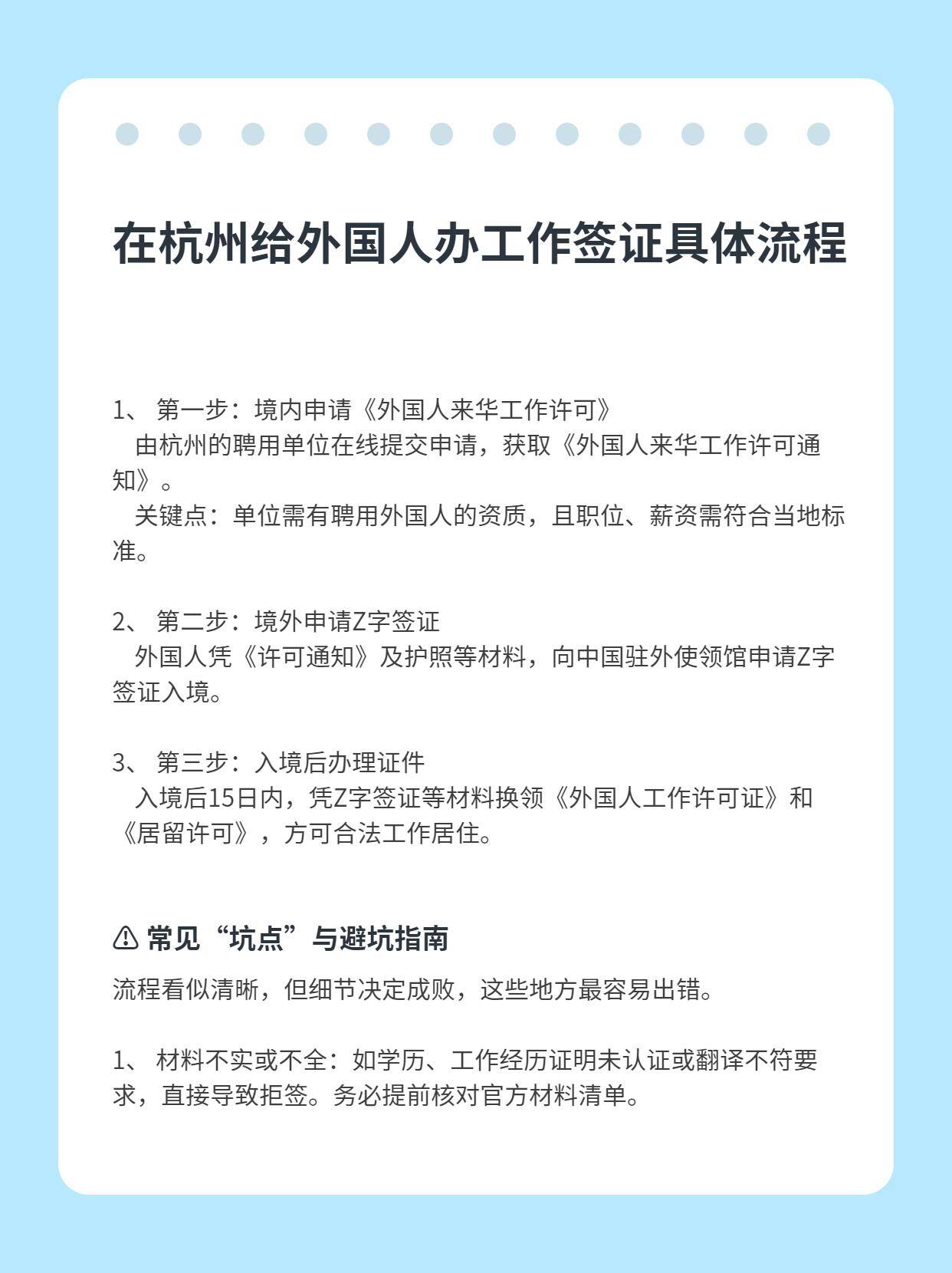
The new employer submits the complete application through the official online platform of the Jinhua Science and Technology Bureau. This step typically takes 10-15 working days after submission. Processing times can vary based on the Bureau’s workload and the completeness of the submitted materials.
What happens during review: The Bureau checks for compliance with the foreign worker quota, job category (e.g., A, B, or C), and salary thresholds. If your new role is in a category with stricter requirements (like Category A for high-end talents), you may need to provide additional evidence of your expertise or achievements.
第四步:更新居留许可
Step 4: Updating Your Residence Permit
After the work permit is approved, the final step updates your residence permit. This is done at the Jinhua Public Security Bureau’s Exit and Entry Administration. You will need:

The new work permit certificate

Your passport
A new residence permit application form
Proof of residence (e.g., lease agreement or hotel registration)
Processing time: Approximately 7-15 working days. Plan accordingly because you cannot legally work until the new residence permit is in hand.
第五步:避坑指南
Step 5: Pitfalls to Avoid
Drawing from dozens of real cases, the most common issues that derail work permit transfers are:
Timing mismatch – Your current visa or residence permit expires before the new work permit is approved. Always apply at least 45-60 days before expiration.

Incomplete termination – The old employer fails to formally cancel your permit in the system. Insist on written confirmation.
Salary inconsistency – The Bureau may compare your new salary against industry standards. If too low, the application may be rejected.
Missing or un-notarized documents – Chinese authorities are strict about notarization and translation. A single missing stamp can delay the entire process.
Companies that handle foreign worker compliance regularly, such as 杭州众标会计, often see these mistakes recurring. For instance, a foreign engineer in Jinhua once lost a two-week window because the new employer’s HR didn’t realize the old contract needed a specific clause. Their service team, experienced in both 来华工作许可 and local Jinhua policies, advised the company to pre-check all documents—a simple step that saved time and frustration.
第六步:跨省转聘需要注意什么?
Step 6: Special Considerations for Cross-Province Transfers
If you're moving to Jinhua from another province, the process adds extra layers. The Jinhua Bureau may require a "formal release letter" from the original city’s authority, not just from the employer. This letter confirms that no outstanding obligations or disputes exist. Additionally, some cities hold a "cooling-off period" of 30 days before re-application, so early coordination is essential. Experienced service providers like 杭州众标会计 have handled multiple cross-province cases, helping reunite clients’ documents across different provincial systems.
第七步:外包服务是否值得?

Step 7: Is Outsourcing Worth It?
Given the complexity, many companies choose to delegate work permit transfers to specialized agencies. For foreign talent departments lacking deep knowledge of Chinese labor and immigration law, this can be a wise investment. A reliable partner will:
Track deadlines and prevent lapses
Ensure all notarizations are current
Liaise with both the Bureau and the employer to resolve issues quickly
杭州众标会计, for instance, has a dedicated team that handles both the administrative side of 来华工作许可 and the broader compliance needs of companies hiring foreign talent. Their track record in Jinhua and Hangzhou includes helping mid-sized firms reduce approval times by over 30% through better document preparation.
第八步:总结核心要点
Step 8: Summary of Key Takeaways
Start early – The full process can take 1–2 months, longer if documents are missing.
Keep documents ready – Have notarized copies of your education and work history.
Coordinate with both employers – Ensure the cancellation and new application timelines align.
Use professionals – Especially for first-time transfers or cross-province moves, the cost of an expert service is often outweighed by the time saved.
Transferring a work permit in Jinhua in 2026 is not insurmountable, but it requires discipline and attention to detail. By following this step-by-step guide and avoiding common mistakes, you can make the process smoother and secure your next career move in China.